Do I Need an Accountant for My Small Business?

Starting and running a small business is exciting, but managing the financial side of things can quickly become overwhelming.
Between keeping track of invoices, managing expenses, meeting tax deadlines and trying to grow your business, it's easy to find yourself spending more time dealing with paperwork than doing what you actually enjoy.
One question we regularly see business owners asking is: Do I really need an accountant for my small business?
The answer depends on your business structure, financial circumstances and how comfortable you feel managing your own accounts.
While not every business is legally required to appoint an accountant, there are plenty of situations where professional accounting support can save you valuable time, help you meet your obligations and provide a clearer understanding of your finances.
Whether you're a sole trader, freelancer or limited company director, here's what you should consider.
Do Small Businesses Legally Need an Accountant?
In most circumstances, small businesses in the UK are not legally required to hire an accountant.
Sole traders can prepare and submit their own Self Assessment tax returns, while limited company directors can manage their company's accounting and filing responsibilities themselves.
However, this doesn't mean the responsibilities disappear.
As a business owner, you're still responsible for maintaining accurate financial records, submitting the necessary returns and meeting the relevant HMRC and Companies House deadlines.
For limited companies, additional reporting obligations can make managing your accounts considerably more complicated.
An accountant can help you understand these responsibilities, maintain accurate records and reduce the administrative burden associated with running your business.
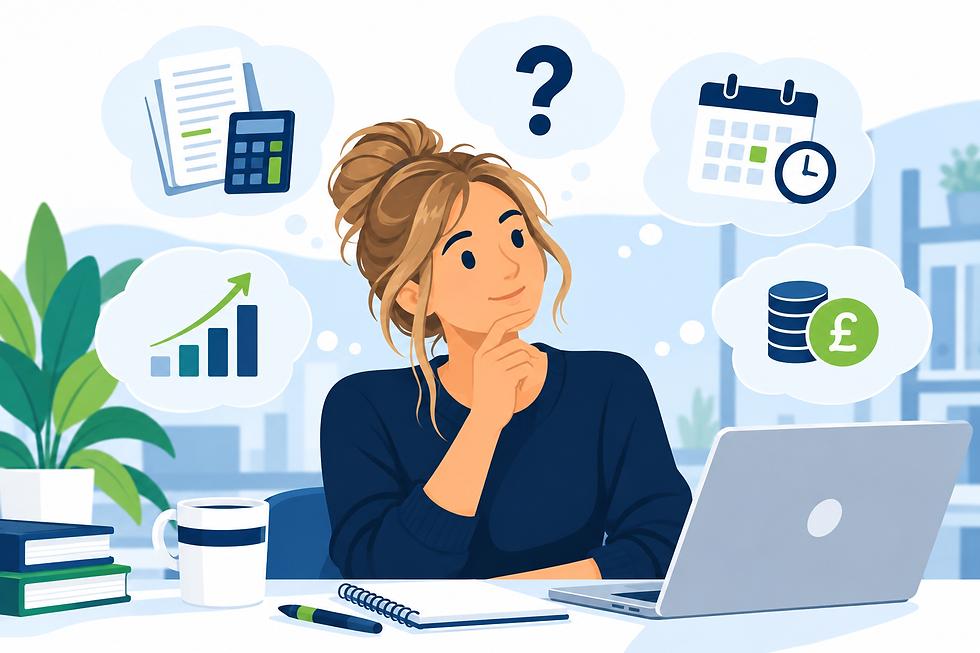
What Does an Accountant Do for a Small Business?
An accountant does considerably more than prepare your annual tax return.
Depending on your requirements, professional accounting support can help with several important areas of your business.
Annual Accounts and Tax Returns
Preparing financial statements, understanding your tax obligations and ensuring the appropriate returns are submitted accurately and on time.
Bookkeeping and Financial Records
Helping you maintain organised financial records, monitor business income and expenditure, and understand your financial position.
Financial Planning and Business Growth
Providing financial information and guidance that can support important business decisions, from managing cash flow to planning future investments.
Tax Planning and Compliance
Helping you understand relevant tax rules, prepare for upcoming deadlines and identify legitimate tax reliefs or allowances applicable to your circumstances.
The level of support you need will depend on your business. Some owners simply require assistance with annual accounts, while others benefit from ongoing accounting and financial guidance.
Accountant vs Bookkeeper: What's the Difference?
One common source of confusion for small business owners is understanding the difference between an accountant and a bookkeeper.
Although their responsibilities can overlap, they generally focus on different aspects of your finances.
A bookkeeper typically manages your everyday financial records, recording transactions, organising invoices, reconciling accounts and ensuring your financial information remains up to date.
An accountant can use this information to prepare financial statements, manage tax reporting and provide broader financial guidance.
For example, a bookkeeper might ensure that all your business expenses are accurately recorded, while an accountant may review those records when preparing your annual accounts and calculating your tax liabilities.
Some accounting firms provide both services, allowing businesses to manage their bookkeeping and accounting requirements through one provider.
For a growing business, having accurate bookkeeping alongside professional accounting support can be particularly valuable.

Do Sole Traders Need an Accountant?
If you're self-employed, you might assume that your finances are straightforward enough to manage yourself.
For some sole traders, particularly those with relatively simple income and expenses, this may be perfectly manageable.
However, as your business develops, your accounting responsibilities can become more demanding.
You may need assistance with understanding allowable business expenses, managing multiple income streams, registering for VAT or preparing your annual Self Assessment tax return.
The introduction of Making Tax Digital for Income Tax also means that eligible sole traders must maintain digital records and submit quarterly updates using compatible software.
If you're unsure how these requirements affect your business, professional accounting support can help you prepare.
Related reading: Making Tax Digital for Sole Traders: What You Need to Know

Do Limited Companies Need an Accountant?
Limited companies generally have more complex accounting and reporting responsibilities than sole traders.
Company directors are responsible for ensuring that their business meets its financial and statutory obligations, including preparing annual accounts, submitting Corporation Tax returns and maintaining appropriate company records.
Depending on your circumstances, you may also need to manage payroll, VAT and director remuneration.
Although it's possible to manage these responsibilities independently, many limited company directors choose to work with an accountant to ensure their financial records are accurate and their reporting obligations are met.
An accountant can also provide guidance on financial planning and help directors understand the financial implications of important business decisions.
When Should You Hire an Accountant for Your Small Business?

There's no universal rule about when a business should hire an accountant. However, certain situations suggest that professional support could be particularly useful.
These include:
You're spending too much time on paperwork.
Managing your accounts is taking valuable time away from running your business.
Your business is growing.
Increasing revenue, additional employees or expanding operations have made your finances more complicated.
You're struggling with tax deadlines.
Keeping track of your reporting obligations is becoming stressful.
You're considering becoming a limited company.
You need to understand the accounting and tax implications of changing your business structure.
You need greater financial clarity.
You want a clearer understanding of profitability, cash flow and the financial performance of your business.
If several of these situations sound familiar, it may be time to consider professional accounting support.
How Much Does a Small Business Accountant Cost?
The cost of hiring an accountant varies depending on your business structure, the complexity of your finances and the level of support you require.
For example, a sole trader who only needs assistance preparing an annual tax return will generally have different requirements from a limited company requiring ongoing bookkeeping, payroll, VAT and annual accounts preparation.
Some accountants offer fixed-fee packages, while others charge according to the services provided.
When comparing accounting services, consider exactly what's included, whether ongoing advice is available and how easily you can contact your accountant when questions arise.
It's also worth considering the time you currently spend managing your finances and whether that time could be better invested elsewhere in your business.
The aim isn't simply to find the cheapest accountant. It's to understand what support your business needs and what you're receiving for the fee.
Can an Accountant Help Your Small Business Grow?
An accountant can provide more than assistance with financial administration.
As your business grows, understanding your financial performance becomes increasingly important.
Accurate financial information can help you identify trends, monitor expenditure, understand profitability and plan for future investment.
For example, if you're considering employing additional staff, purchasing equipment or expanding into new premises, understanding your existing financial position can help you make more informed decisions.
Having professional accounting support can also help you establish financial processes that are appropriate for your business as it develops.

Choosing a Small Business Accountant in Manchester
If you're looking for a small business accountant in Manchester, finding someone who understands your business and communicates clearly is an important starting point.
Consider the services you need, your preferred way of working and whether you're looking for occasional assistance or ongoing accounting support.
It's also worth choosing an accountant who can accommodate your changing requirements as your business develops.
At Parker Whitwood, we're based in Altrincham and support businesses and individuals throughout Manchester, Cheshire and the surrounding areas.
Our approach focuses on understanding each client's circumstances and providing professional accounting support tailored to their requirements.
Whether you're a freelancer preparing your first tax return or an established business owner looking for additional financial support, our team is here to help.
Ready to Take the Stress Out of Small Business Accounting?
Running a small business comes with enough responsibilities without feeling overwhelmed by your accounts.
While hiring an accountant isn't a legal requirement for most businesses, having access to professional accounting support can help you manage your financial obligations, save valuable time and make informed decisions about your future.
If you're considering hiring an accountant for your small business, Parker Whitwood would be delighted to discuss your requirements.
Looking for a small business accountant in Manchester or Cheshire?
Contact Parker Whitwood to find out how we can support your business.
Publishing note: The legal distinctions in this article are consistent with HMRC's Making Tax Digital guidance and Companies House's published information about directors' responsibilities. In particular, appointing an accountant does not transfer a company director's statutory responsibilities to that accountant.

